全部新闻
与其增长相比,这种人工智能(AI)股票便宜
芯片股票从AI革命中受益匪浅,尽管台湾半导体制造公司(TSMC)是一个主要的受益人,尽管没有像Nvidia和AMD这样的公司那样受到关注。尽管估值大幅提高,但根据某些指标,TSMC仍被低估。该公司在为AI驱动的公司制造芯片组中的作用为其提供了强大的增长机会,尤其是由于高标准和技术巨头的资本支出不断上升。TSMC的财务状况表明收入增长不断增长,并提高了毛利率,表明市场地位和定价能力强。

英国的Turing AI Institute老板回应员工的愤怒
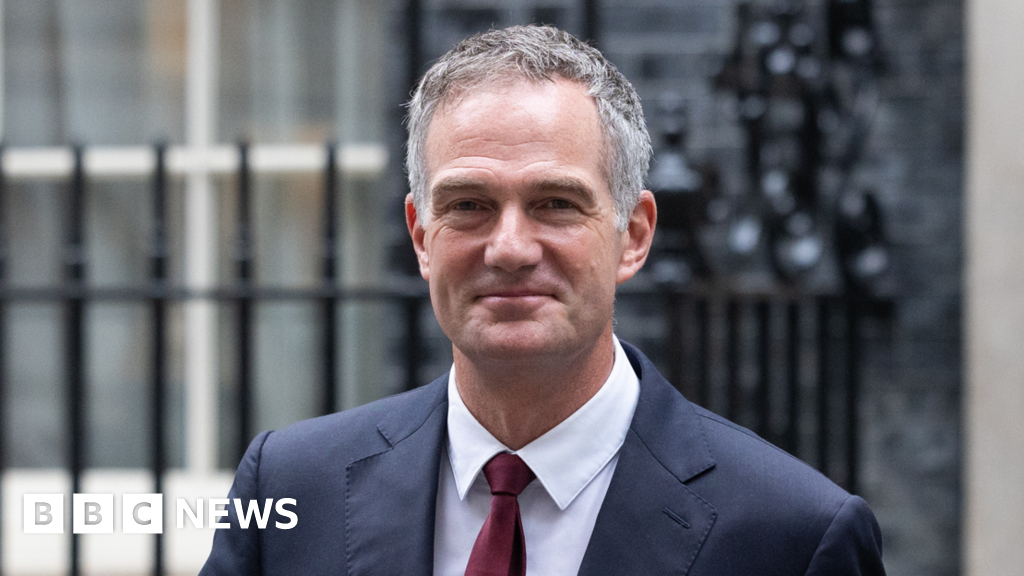
英国国家AI研究所的负责人承认,在举报人对组织的未来稳定引起关注之后,最近的变化对员工来说是挑战。图灵研究所面临优先考虑技术秘书彼得·凯尔(Peter Kyle)的国防研究的压力,如果不遵守资金,则威胁要削减资金。尽管组成了一个新的高级工作组,但举报人声称该研究所的文化或运营没有切实的变化,将管理回应描述为表现性和缺乏透明度。由于重组的努力,内部不满和员工离开时,有人呼吁领导才能改变。
AI正在进入公寓市场,接管工作订单,租赁续订,展示等等
技术和人工智能通过使工作订单,租赁续订,房地产旅游和投资者尽职调查等任务来自动化租赁住房市场。使用高级机器学习的虚拟药物越来越多地与潜在居民相互作用。在投资方面,AI通过分析租赁并提供数据摘要来协助承保和收购。像RET Ventures这样的公司正在投资于将这些技术集成到简化多户家庭运营商的流程的初创企业。然而,尽管进步,该技术仍在实验阶段成本高昂,由于行业分裂而面临挑战。

研究发现,复杂的深度学习模型在理解遗传扰动方面比简单的基线更好。
在自然界发表的一项最新研究发现,基于深度学习的基础模型在预测遗传扰动对基因表达谱的影响方面的表现并不优于简单的基线方法。在双扰动的情况下,与加性基线相比,复杂模型中的预测误差更高。该研究挑战了以下假设:这些计算密集型模型可以更好地推广,并强调在投资更多资源之前对现有更简单模型进行严格的基准测试。

喝酒或不喝酒:SMU研究人员的AI工具使选择最好的葡萄酒
南方卫理公会大学的研究人员使用情感分析开发了一种AI模型来解释葡萄酒评论,帮助日常消费者了解通常像内部语言的复杂描述。Jing Cao教授和她的团队创建了一个基于注意力的多个实例模型,该模型突出了特定的单词,从2005年到2016年的140,000多个葡萄酒观众评论中传达了积极或负面情绪。该技术旨在通过识别影响购买决策的关键的专家爱好者和临时饮酒者之间的差距。虽然目前专注于葡萄酒,但CAO设想将此AI应用于医疗保健等其他专业领域,以改善沟通和降低差异。

独裁的阿联酋获得民主人工智能|每周计算机
Openai与阿联酋合作建立了一个“民主动力的AI网络”,旨在抵消中国对专制AI技术的影响。该倡议包括在阿联酋建立一个大型数据中心,该中心将在欧洲,非洲和亚洲的多个国家服务,同时维护民主价值观。但是,尽管伙伴关系旨在防止中国在全球范围内传播专制技术,但专家们对Openai遏制AI将AI用于专制控制的能力持怀疑态度。
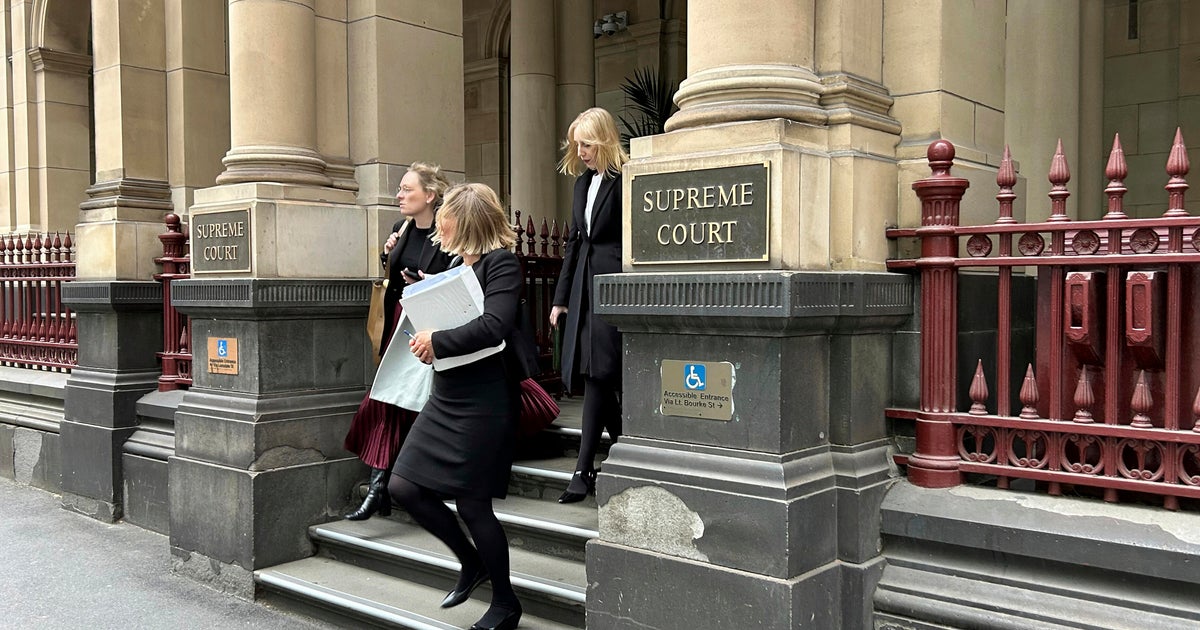
澳大利亚谋杀案法庭申请包括假行情和AI产生的不存在的判断
一位澳大利亚高级律师向法官道歉,其中包括AI在法庭提交谋杀案中提交的伪造行情和不存在的案件判决,导致了24小时的延误。维多利亚州最高法院裁定,由于精神障碍,被告无罪。法官詹姆斯·埃利奥特(James Elliott)批评使用未验证的AI生成的内容,强调了其对司法准确性的影响。在世界范围内发生了类似的事件,法官对在法院诉讼中使用不可靠的AI的法律后果施加了罚款和警告。
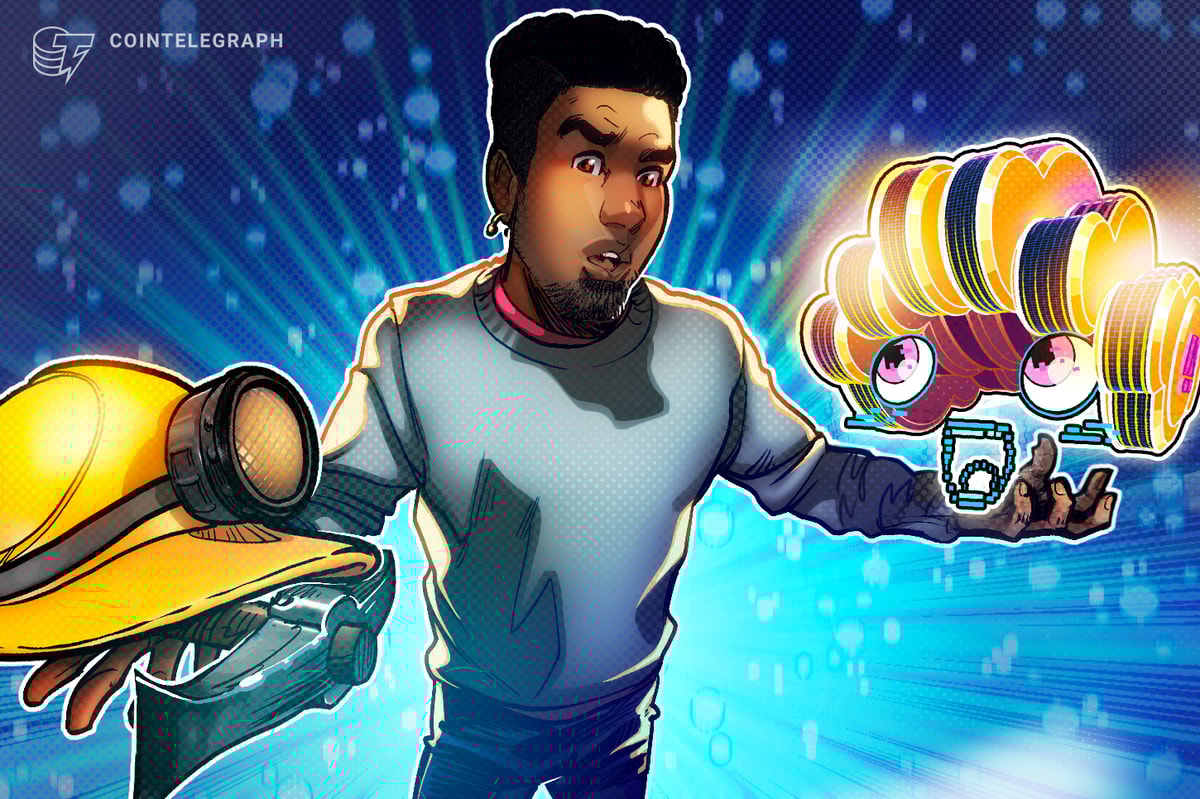
比特币矿工和人工智能公司争夺廉价的可持续能源
比特币矿业公司正面临来自AI数据中心的竞争,即获得便宜的能源,这可能会在未来十年内推动该行业的新机构投资。Gomining的高管表明,尽管有些矿工被“定价”,但其他矿工正在扩展到离网的位置,并创新以降低成本,使他们受益,因为更多的机构资本进入空间,以寻找便宜的比特币。
‘Cheapfake’ AI Celeb Videos Are Rage-Baiting People on YouTube Celebrities are facing issues with AI-generated content假冒他们的声音和形象,引发公众误解。Washington强调这些内容并非出自本人之手。专家指出,这种AI生成的内容通过激起观众的道德愤怒来吸引关注并传播虚假信息。YouTube平台的被动观看习惯使低质量的AI生成内容也能轻易融入信息流中。专门识别深度伪造技术的公司Reality Defender表示,即使是家庭成员也可能被这些视频误导,并寻求验证。创作者通常会声称其内容为虚构故事,但其中许多渠道背后的动机可能更倾向于通过争议性话题来赚取收入和关注度。 âTheyâre tweaking my voice or whatever they're doing, tweaking their own voice to make it sound like me, and people are commenting on it like it is me, and it ain't me,â Washington recently told WIRED when asked about AI. âI don't have an Instagram account. I don't have TikTok. I donât have any of that. So anything you hear from thatâit's not even me, and unfortunately, people are just following, and thatâs the world you guys live in.â For Clark, the talk-show videos are a clear appeal to incite moral outrageâallowing audiences to more easily engage with, and spread, misinformation. âItâs a great emotion to trigger if you want engagement. If you make someone feel sad or hurt, then theyâll likely keep that to themselves. Whereas if you make them feel outraged, then theyâll likely share the video with like-minded friends and write a long rant in the comments,â he says. It doesnât matter either, he explains, if the events depicted arenât real or are even clearly stated as âAI-generatedâ if the characters involved might plausibly act this way (in the mind of their viewers, at least). In some other scenario. YouTubeâs own ecosystem also inevitably plays a role. With so many viewers consuming content passively while driving, cleaning, even falling asleep , AI-generated content no longer needs to look polished when blending into a stream of passively absorbed information. Reality Defender, a company specializing in identifying deepfakes, reviewed some of the videos. âWe can share that some of our own family members and friends (particularly on the elderly side) have encountered videos like these and, though they were not completely persuaded, they did check in with us (knowing we are experts) for validity, as they were on the fence,â Ben Colman, cofounder and CEO of Reality Defender, tells WIRED. WIRED also reached out to several channels for comment. Only one creator, owner of a channel with 43,000 subscribers, responded. âI am just creating fictional story interviews, and I clearly mention in the description of every video,â they say, speaking anonymously. âI chose the fictional interview format because it allows me to combine storytelling, creativity, and a touch of realism in a unique way. These videos feel immersiveâlike you're watching a real moment unfoldâand that emotional realism really draws people in. Itâs like giving the audience a âwhat if?â scenario that feels dramatic, intense, or even surprising, while still being completely fictional.â But when it comes to the likely motive behind the channels, most of which are based outside the US, neither a strict political agenda nor a sudden career pivot to immersive storytelling serves as an adequate explainer. A channel with an email that uses the term âearningmafia,â however, hints at more obvious financial intentions, as does the channelsâ repetitive natureâwith WIRED seeing evidence of duplicated videos, and multiple channels operated by the same creators, including some who had sister channels suspended. This is unsurprising, with more content farms than ever, especially those targeting the vulnerable, currently cementing themselves on YouTube alongside the rise of generative AI. Across the board, creators pick controversial topics like kids TV characters in compromising situations, even Sean Combsâ sex-trafficking trial , to generate as much engagementâand incomeâas possible.

研究人员建立了世界上第一个可以像AI一样思考并像收音机一样说话的“微波大脑”芯片
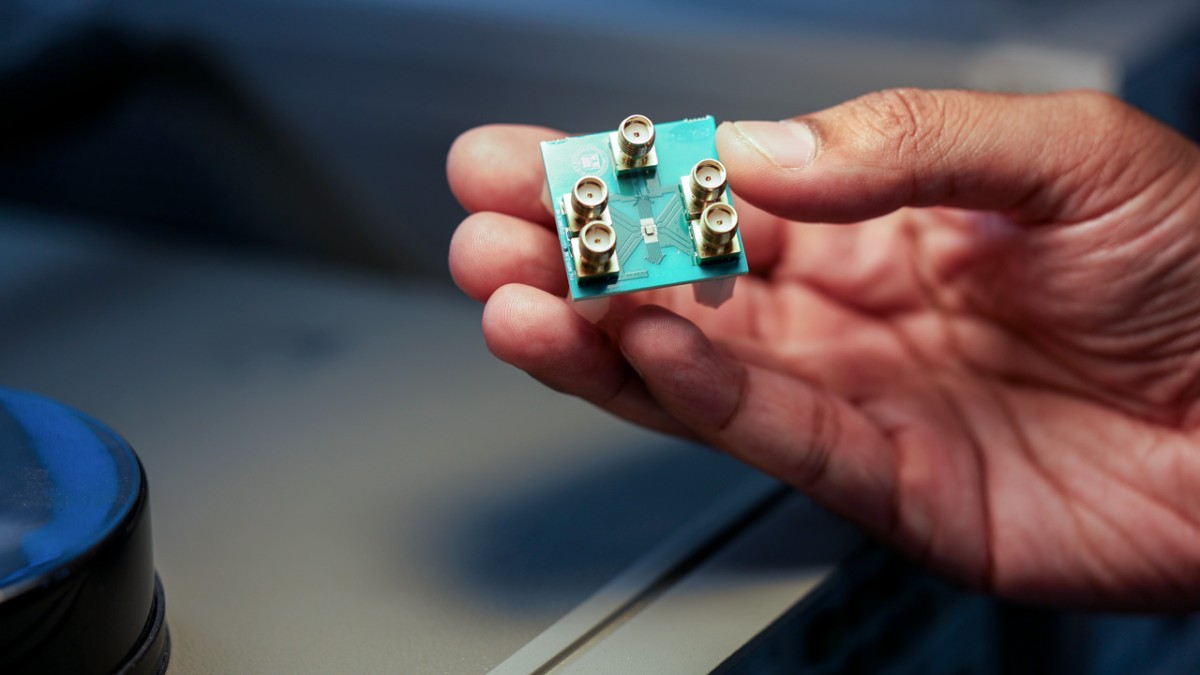
康奈尔大学的研究人员开发了一种新型的硅芯片,它比传统的处理器更像是活体大脑,利用了微波能量的爆发而不是神经元。该实验处理器被命名为“微波大脑”,可以执行双重任务 - 处理超快数据流和无线通信 - 而仅消耗200毫米的功率。与传统的数字芯片不同,它使用可调的微波波指导实时处理信息而无需等待或瓶颈。该芯片在对无线信号分类时表现出与较大数字模型相当的精度,但需要更少的电路和误差校正。潜在的应用包括无线流量,雷达跟踪和无线电通道解码的异常检测。该团队由DARPA和国家科学基金会资助,旨在扩大并将这项技术整合到现有系统中,并可能合并计算和通信硬件。